
Compliance Monitoring System(CMS)
Best Compliance Software for Banks, NBFCs & Fintechs in India
Faster, Safer, and Smarter Operations in BFSI and Other Sectors.
We create effective AI that reduces manual labour, accelerates decision-making, and protects your information. Chatbots, fraud notifications, automation of documents, and other solutions that integrate with your existing software and deliver benefits immediately.
We have successfully developed tailor-made applications in many fields and industries. Additionally, the latest technologies enable us to deploy AI, blockchain, IoT, and cloud computing. Many clients from different parts of the world rely on our support and numerous of our solutions are already running seamlessly.

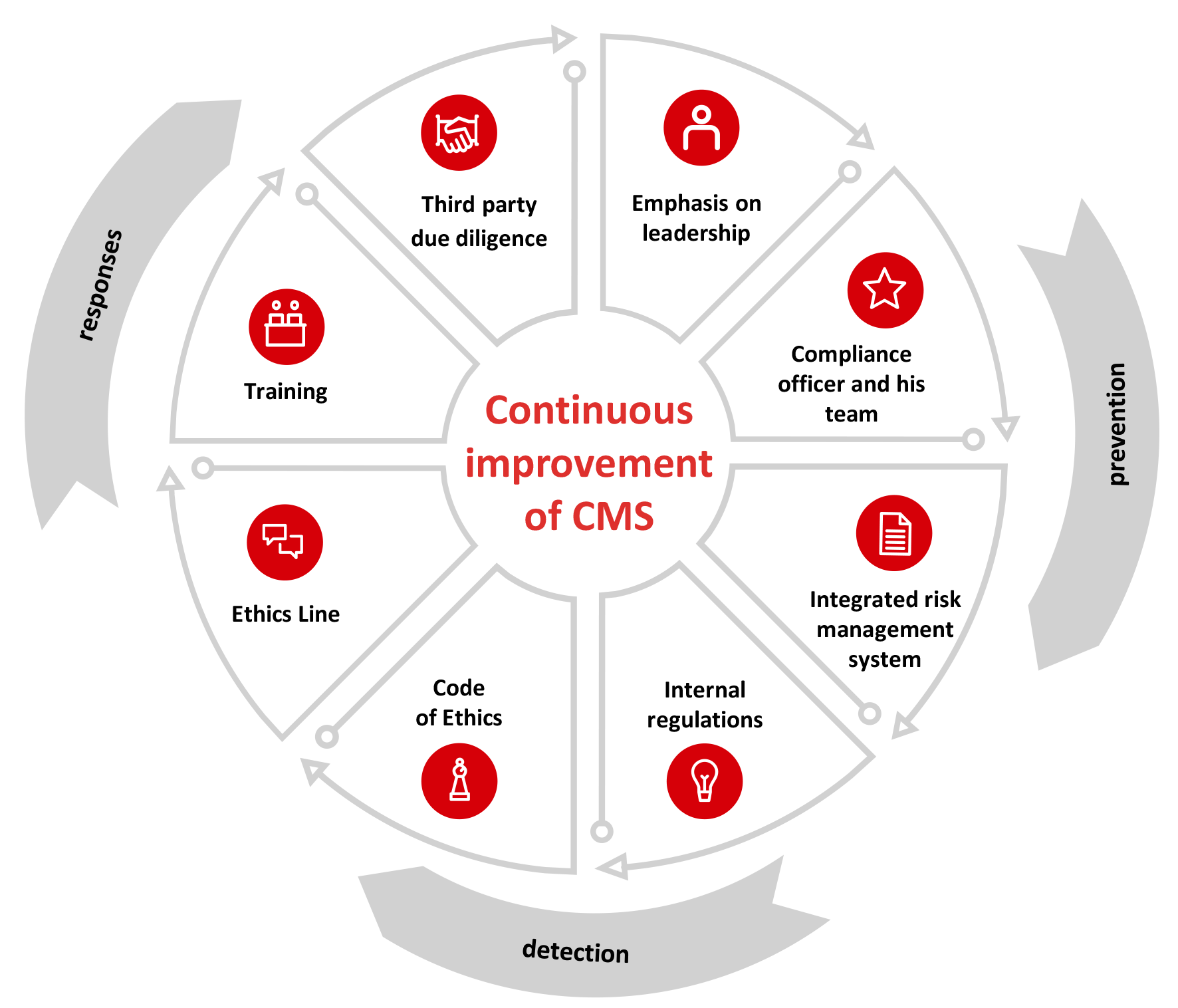
Core Capabilities
Regulatory Obligation Mapping — Centralized repository to map, assign, and track regulatory requirements.
Rule Engine & Alerts — Configurable rules with instant alerts for violations, delays, or compliance gaps.
Task & Workflow Management – Assign, monitor, and escalate compliance tasks with full visibility.
Dashboards & Reports – Real-time insights on status, risks, overdue tasks, and audit trails.
Notifications & Escalations – Automated alerts to stakeholders with hierarchical escalation.
Business Benefits
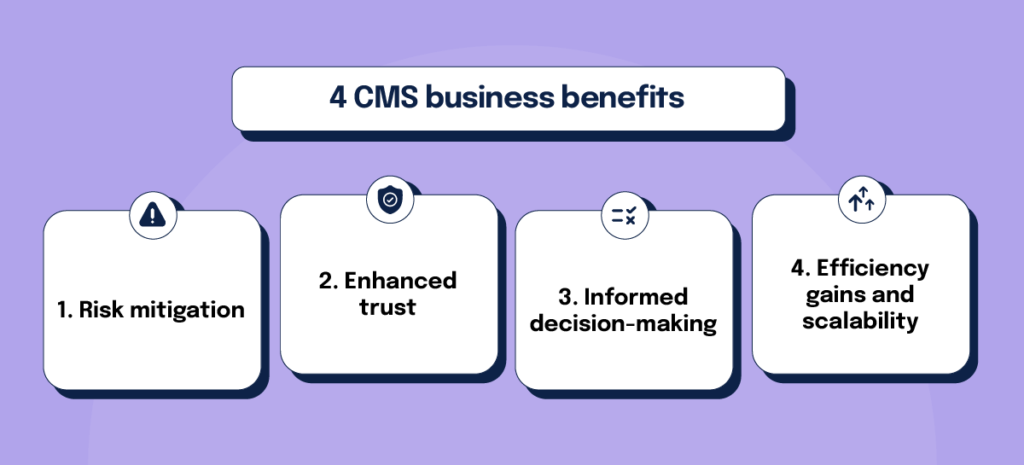
Implementing Daus CMS brings measurable advantages to financial institutions by simplifying and automating compliance activities. It reduces dependency on manual tracking tools, ensuring that all regulatory obligations are met on time while minimizing the risk of penalties or fines. With clear task ownership, real-time alerts, and transparent dashboards, management gains complete visibility into compliance performance across branches and departments. The system not only strengthens accountability but also enables quicker responses to violations, improving overall risk management. By streamlining workflows and integrating with existing systems, Daus CMS enhances efficiency, reduces operational costs, and empowers organizations to stay ahead of regulatory changes with confidence.
1.
Reduced Compliance Burden
Automates many manual tracking & oversight tasks—less dependency on excel & manual follow-ups.
2.
Improved Regulatory Posture
Ensures obligations are met on time, reducing penalties, fines, and audit findings.
3.
Risk Mitigation
Proactive identification of high-risk areas and weak controls, reducing exposure.
4.
Operational Efficiency Gains
Less rework, fewer missed deadlines, streamlined workflows, better resource allocation.