
Vendor Management System
Vendor Management System
Vendors and suppliers play a vital role in ensuring smooth operations for financial institutions, corporates, and service-based businesses. However, managing multiple vendors without a structured system often leads to inefficiencies, compliance risks, and higher operational costs. The Daus Vendor Management System (VMS) streamlines the entire vendor lifecycle—from onboarding and performance evaluation to contract compliance and payments. By centralizing vendor data, automating workflows, and providing real-time insights, Daus VMS helps organizations build stronger, transparent, and compliant vendor relationships.
Key Outcomes
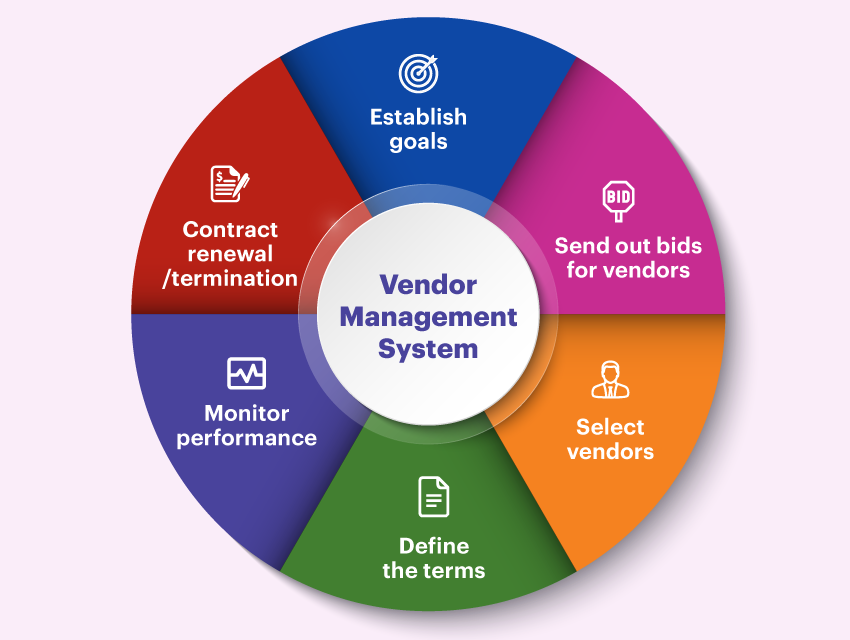
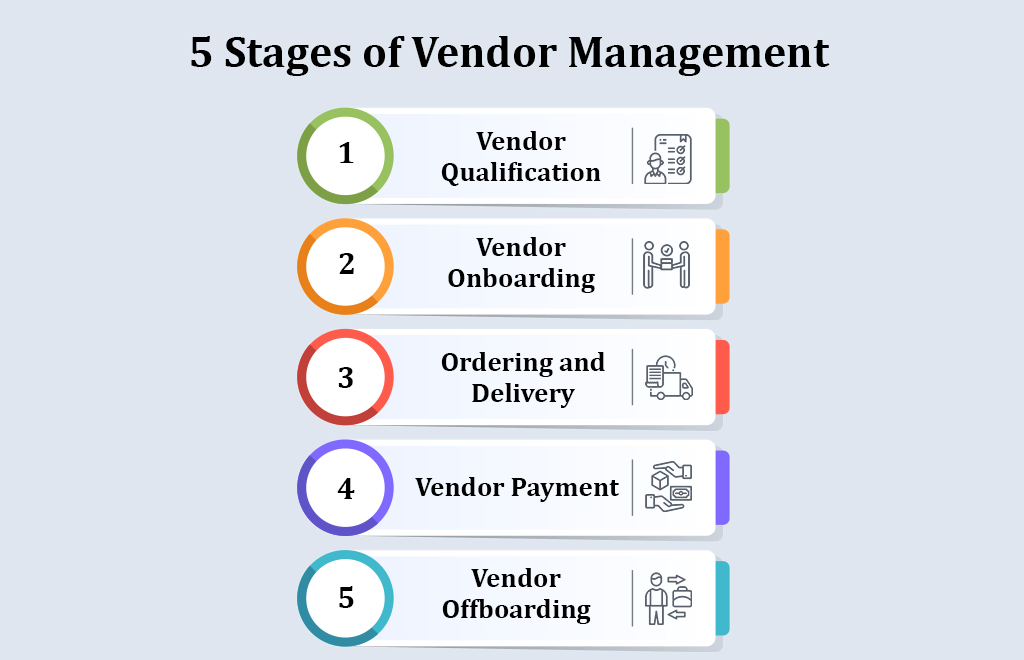
Vendor Onboarding & KYC – Digitized vendor registration, document collection, and compliance verification.
Contract & SLA Management – Centralized storage and tracking of vendor contracts & service-level agreements.
Performance Monitoring – Evaluate vendors using KPIs, & automated scoring to ensure quality delivery.
Invoice & Payment Tracking – Automate approvals, track pending dues, & enable vendor settlements.
Analytics & Reporting – Gain insights into vendor performance, spend analysis, and contract utilization.
Integration – Connect seamlessly with ERP, finance, and procurement systems.
Business Benefits
Implementing Daus VMS allows organizations to manage vendors with greater transparency, accountability, and efficiency. By digitizing onboarding, automating workflows, and tracking vendor performance, businesses reduce operational risks and strengthen compliance. Real-time analytics ensure smarter vendor selection, cost optimization, and improved decision-making, while timely payments and transparent communication foster stronger vendor relationships. The system not only streamlines day-to-day vendor operations but also equips enterprises with the tools to scale vendor networks confidently and sustainably.
1.
Stronger Vendor Relationships
Transparent communication and timely payments help build trust and loyalty.
2.
Cost Optimization
Better visibility into vendor performance and spending helps in reducing wastage and improving ROI.
3.
Risk Reduction
Continuous monitoring of vendor risks, SLAs, and compliance minimizes operational exposure.
4.
Improved Decision-Making
Real-time dashboards and analytics provide insights for vendor selection and management strategies.